January 31, 2026
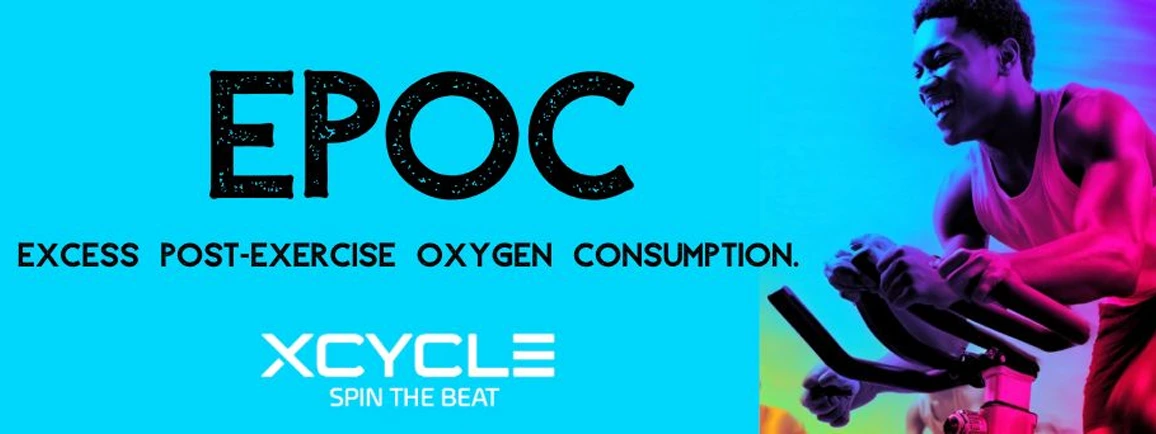
When you finish a high-intensity workout, your body doesn’t immediately return to its resting state. Instead, it continues to burn calories at an elevated rate—a phenomenon known as EPOC, or Excess Post-Exercise Oxygen Consumption. This is often referred to as the “afterburn effect.”
What Is EPOC?
EPOC represents the extra oxygen your body consumes after exercise to recover and restore itself to pre-workout levels. During intense training, your body operates in an oxygen-deficient state. Once the workout ends, oxygen is required to support several recovery processes, including:
- Replenishing ATP (energy stores)
- Clearing and converting lactate
- Repairing muscle tissue
- Regulating body temperature
- Normalizing heart rate and breathing
- Rebalancing hormones
All of these processes require energy, which means additional calories are burned after your workout is over.
What Type of Exercise Triggers EPOC?
While all exercise causes some degree of EPOC, the effect is significantly greater after high-intensity training. Activities that are most effective include:
- High-Intensity Interval Training (HIIT)
- Sprint or interval cycling
- Heavy resistance training
- Circuit training with minimal rest
The key drivers are intensity, duration, and muscle mass involved. Higher intensity leads to a larger metabolic disturbance, resulting in a stronger and longer-lasting EPOC effect.
How Long Does EPOC Last?
The duration of EPOC varies depending on the workout:
- Low to moderate intensity exercise: 30 minutes to 2 hours
- High-intensity exercise: 12 to 24 hours
- Very intense or prolonged sessions: Up to 48 hours in some individuals
Although the majority of calorie burn occurs during the workout itself, EPOC provides a meaningful metabolic boost afterward—especially when high-intensity training is performed consistently.
How Significant Is the Afterburn Effect?
EPOC does not typically double your calorie burn, but it can add 6–15% more calories on top of what was burned during exercise. Over time, this adds up and contributes to improved body composition, metabolic health, and cardiovascular fitness.
Why EPOC Matters
EPOC highlights why training smarter—not just longer—matters. High-intensity workouts can deliver efficient results by:
- Saving time
- Increasing total energy expenditure
- Supporting fat loss
- Improving aerobic and anaerobic capacity
For people with busy schedules, EPOC-based training offers a powerful way to maximize results in less time.
Key Takeaway
EPOC is your body’s way of paying back the metabolic “debt” created by intense exercise. By incorporating high-intensity training into your routine, you’re not only burning calories during the workout—you’re continuing to burn them long after you’re done.
Sources
- LaForgia, J., Withers, R. T., & Gore, C. J. (2006). Effects of exercise intensity and duration on the excess post-exercise oxygen consumption. Journal of Sports Sciences
- Børsheim, E., & Bahr, R. (2003). Effect of exercise intensity, duration and mode on post-exercise oxygen consumption. Sports Medicine.
- American College of Sports Medicine (ACSM). ACSM’s Guidelines for Exercise Testing and Prescription.
- Tremblay, A., Simoneau, J. A., & Bouchard, C. (1994). Impact of exercise intensity on body fatness and skeletal muscle metabolism. Metabolism.